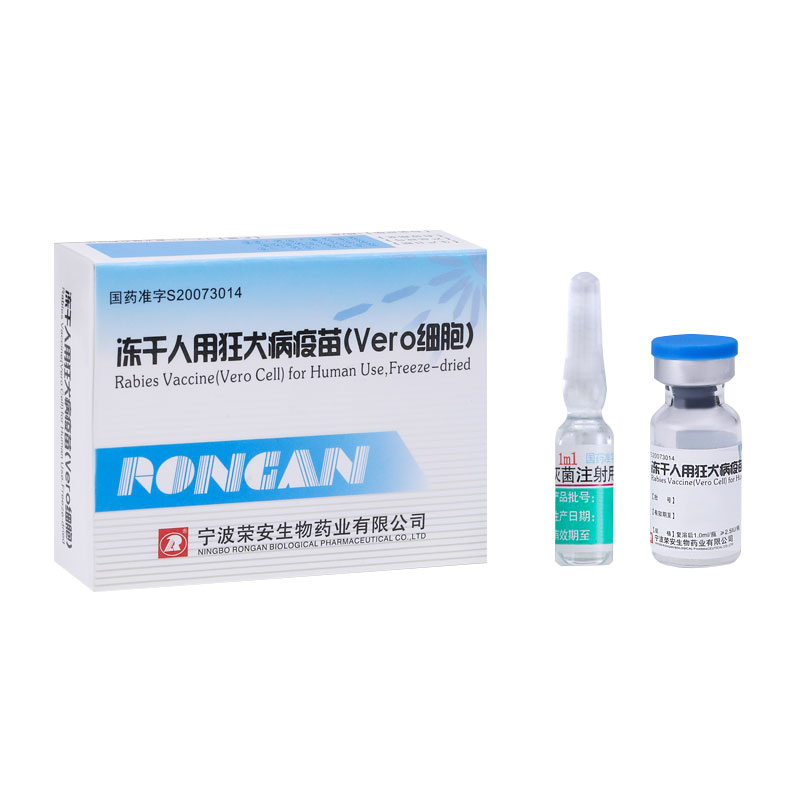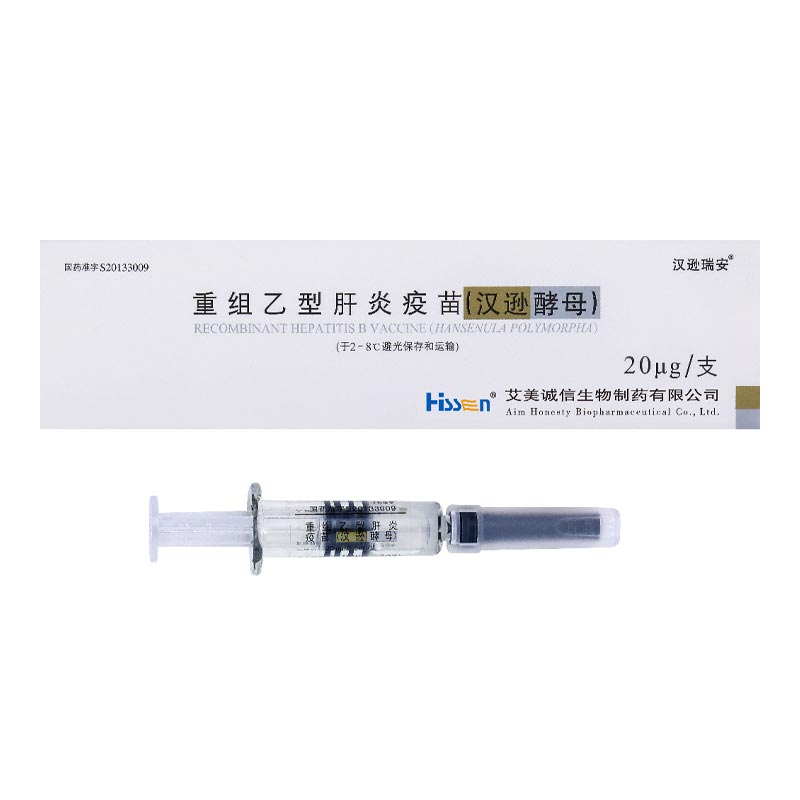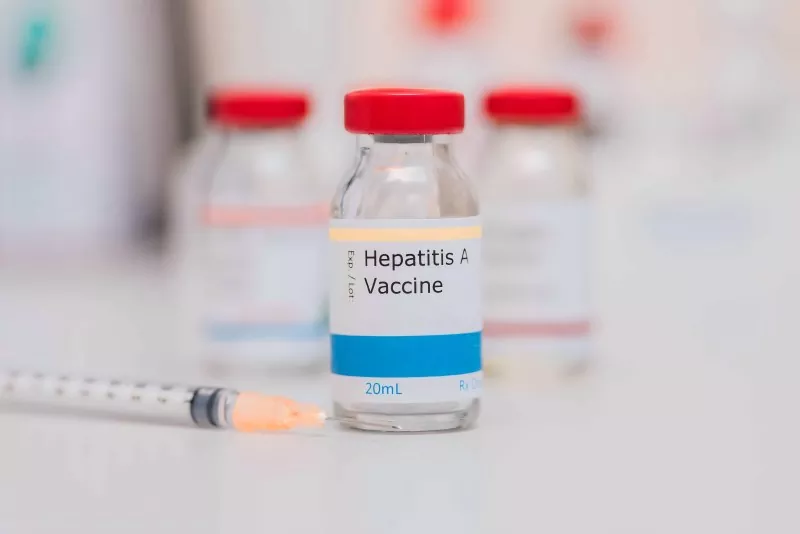
A dog bite can happen unexpectedly, whether during a walk, while visiting a friend, or when interacting with an unfamiliar animal. Even a seemingly minor bite may expose a person to dangerous infections, including rabies. One of the most important concerns after an incident is understanding when a Dog Bite Vaccine is necessary, how quickly treatment should begin, and what steps can help prevent serious complications. Knowing the correct procedures can make a critical difference in protecting your health.
Article Summary
A Dog Bite Vaccine generally refers to rabies vaccination administered after a potential exposure to rabies virus. Post-exposure prophylaxis (PEP) may involve immediate wound cleaning, rabies vaccine injections, and rabies immunoglobulin when indicated. The appropriate treatment depends on the severity of the bite, the animal's health and vaccination history, the patient's previous rabies vaccination status, and local public health recommendations. Prompt medical assessment is essential because rabies is almost always fatal once clinical symptoms develop, but timely preventive treatment can stop the disease before symptoms appear.
1. What Is a Dog Bite Vaccine?
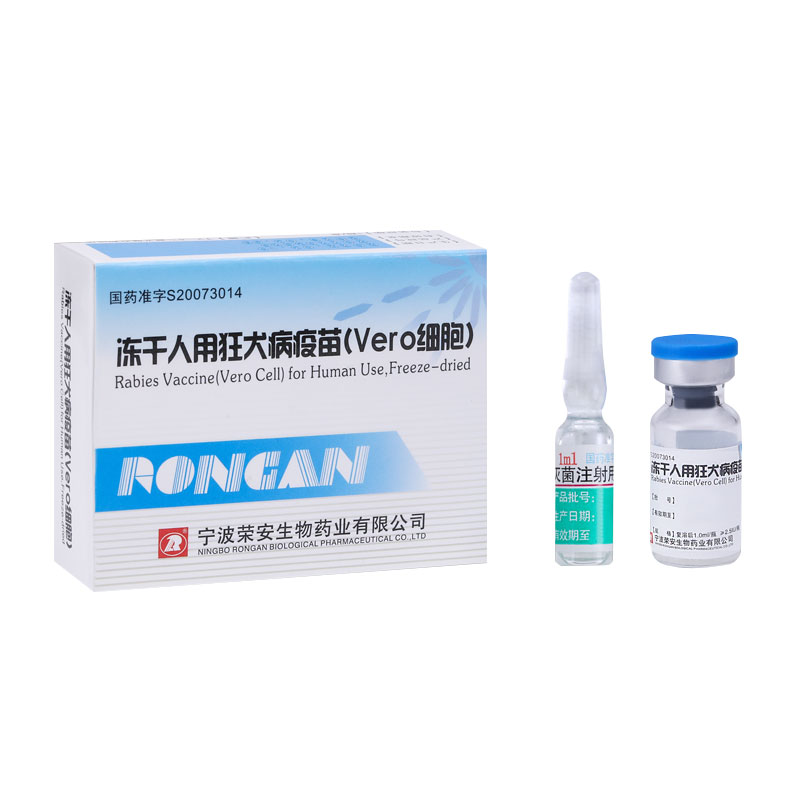
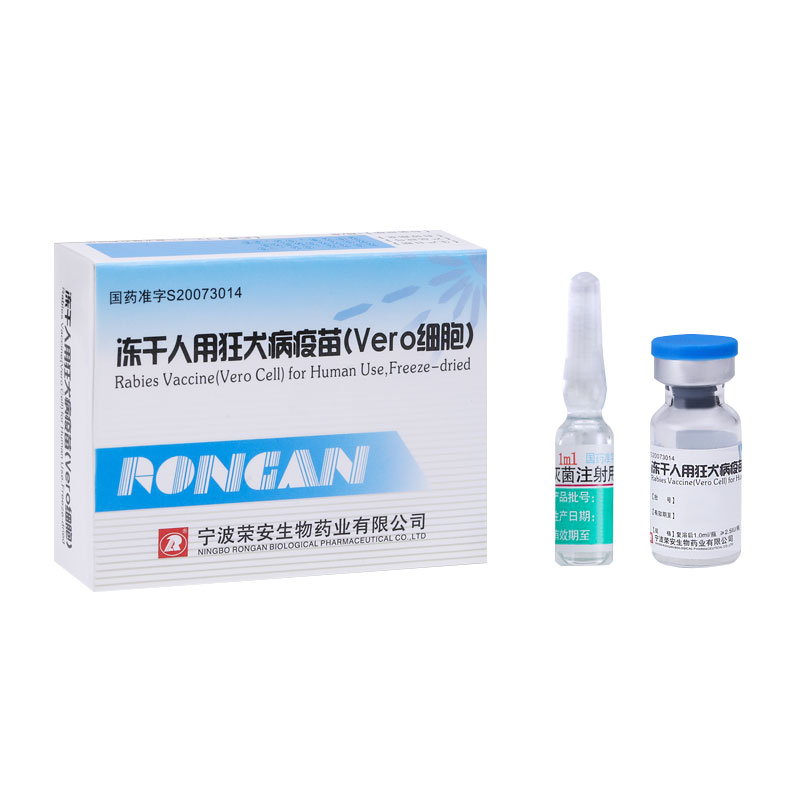
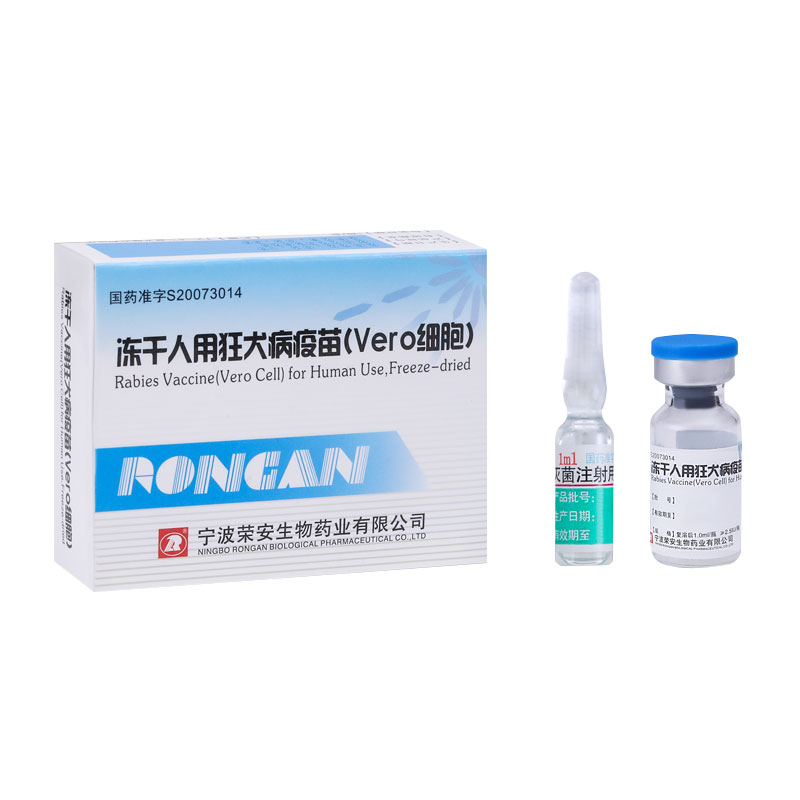
A Dog Bite Vaccine is commonly understood as a human rabies vaccine given after someone has been bitten or scratched by a potentially rabid animal. Its primary purpose is to help the immune system recognize and fight the rabies virus before it reaches the central nervous system.
Rabies is a viral disease that affects the nervous system of mammals, including humans. It is most commonly transmitted through the saliva of an infected animal, usually entering the body through bites, scratches, or contact with broken skin or mucous membranes.
Although dogs are a major source of human rabies transmission in many regions, not every dog bite results in rabies exposure. Medical professionals evaluate the incident and determine whether preventive treatment is required.
Understanding Post-Exposure Prophylaxis (PEP)
Post-exposure prophylaxis, commonly abbreviated as PEP, refers to preventive medical treatment administered after a possible exposure to rabies. It generally includes three important elements:
- Wound treatment: Thorough cleaning and disinfection of the affected area to remove contaminants and reduce viral exposure.
- Rabies vaccination: A series of injections that stimulates the body to develop its own immune response against the virus.
- Rabies immunoglobulin: Immediate protective antibodies administered when indicated, particularly for people who have not previously received rabies vaccination and have a severe exposure.
These measures work together to reduce the risk of infection. The exact treatment plan should always be determined by qualified healthcare professionals according to the applicable national guidelines.
2. Why Is Vaccination Important After a Dog Bite?
Rabies prevention requires urgent attention because the disease becomes extremely dangerous once symptoms appear. Early symptoms may include fever, headache, discomfort around the bite site, and unusual sensations. As the infection progresses, neurological symptoms such as difficulty swallowing, agitation, confusion, and paralysis may develop.
Once clinical rabies develops, the disease is almost invariably fatal. However, appropriate post-exposure treatment administered before symptoms begin can prevent the infection.
Key Benefits of Timely Rabies Prevention
1. Prevents the development of rabies: Timely vaccination helps the immune system produce antibodies that can neutralize the virus before it reaches the nervous system.
2. Provides protection after unexpected exposure: PEP offers an important preventive option for people who have not received rabies vaccination before an animal bite.
3. Reduces the risk of severe complications: Appropriate wound management and preventive treatment help address the risks associated with animal bites.
4. Supports protection for different age groups: Children and adults can both receive rabies post-exposure treatment when medically indicated.
It is important to understand that rabies vaccination is not a substitute for proper wound care. Both measures are essential components of appropriate post-exposure management.
3. What Should You Do Immediately After a Dog Bite?
The first few minutes after a dog bite are important. Taking appropriate action immediately can help reduce the risk of infection and prepare the wound for professional medical treatment.
Immediately flush the affected area with running water and soap for approximately 15 minutes. This helps physically remove saliva, dirt, and potentially infectious material from the wound.
After washing, an antiseptic such as povidone-iodine may be used if available and appropriate for the wound. Avoid applying irritating substances or unverified home remedies.
If bleeding occurs, apply gentle pressure using clean gauze or a clean cloth. Cover the wound with a sterile dressing and avoid unnecessary handling.
Visit a healthcare facility as soon as possible, even if the wound appears small. A healthcare professional can assess rabies exposure, wound severity, bacterial infection risk, and tetanus protection.
If it is safe to do so, record whether the dog is a household pet or stray, its vaccination history, ownership details, and any unusual behavior. Local authorities may arrange appropriate animal observation or testing.
4. When Is a Dog Bite Vaccine Necessary?
Not every interaction with a dog requires rabies vaccination. The decision depends on whether a genuine exposure has occurred and the level of risk associated with that exposure.
The World Health Organization (WHO) classifies potential rabies exposures into three categories:
| Exposure Category | Type of Contact | General Preventive Measures |
|---|---|---|
| Category I | Touching or feeding an animal, or a lick on intact skin. | No rabies PEP is generally required. Wash exposed skin. |
| Category II | Nibbling of uncovered skin or minor scratches and abrasions without bleeding. | Immediate wound washing and rabies vaccination. |
| Category III | Transdermal bites or scratches, or saliva contacting broken skin or mucous membranes. | Immediate wound washing, rabies vaccination, and rabies immunoglobulin or an approved alternative when indicated. |
These categories provide a general international framework. Healthcare professionals must also consider local rabies epidemiology, animal assessment, previous vaccination, and national treatment protocols.
Situations That Require Particular Attention
- A bite from a stray dog or an animal with an unknown vaccination history.
- A bite from a dog displaying unusual aggression, excessive salivation, difficulty swallowing, or other suspicious behavior.
- A deep or bleeding wound, particularly on the face, neck, hands, or other sensitive areas.
- Scratches or broken skin contaminated with animal saliva.
- Any potential exposure in a region where rabies is prevalent.
Even when an animal is vaccinated, medical assessment remains important. Animal vaccination records, observation requirements, and local public health policies should be evaluated rather than relying on assumptions.
5. How Does the Dog Bite Vaccination Process Work?
After a medical professional determines that rabies PEP is necessary, treatment should begin promptly. The vaccination schedule depends on the vaccine product, administration route, previous vaccination history, immune status, and local health authority recommendations.
Typical Rabies Vaccination Schedule
For example, under the CDC's current intramuscular PEP guidance in the United States, people who have never been vaccinated against rabies generally receive four vaccine doses on days 0, 3, 7, and 14. Day 0 refers to the date of the first vaccine dose, not necessarily the date of the bite.
| Schedule | Typical Timing | Purpose |
|---|---|---|
| First dose | Day 0 | Starts the immune response. |
| Second dose | Day 3 | Continues immune stimulation. |
| Third dose | Day 7 | Strengthens the immune response. |
| Fourth dose | Day 14 | Completes the standard four-dose series under this protocol. |
People with certain immune disorders may require an additional dose on day 28 and follow-up antibody testing. Those who have previously completed an accepted rabies vaccination course generally receive two booster doses on days 0 and 3 under this CDC protocol, without rabies immunoglobulin.
Other countries may follow WHO-recommended intradermal or alternative intramuscular schedules. Therefore, patients should follow the complete schedule prescribed by their local healthcare provider rather than combining different vaccination protocols.
Does the Timing of Vaccination Matter?
Yes. Rabies PEP should be started as soon as possible after a suspected exposure. However, if someone seeks medical care several days after being bitten, they should still be assessed immediately. A delay does not automatically mean that preventive treatment is no longer useful.
Patients should not stop or modify a prescribed vaccination schedule without medical advice, even if the wound has healed or the animal appears healthy.
6. What Is the Difference Between Rabies Vaccine and Immunoglobulin?
Rabies vaccine and rabies immunoglobulin are both used in post-exposure prevention, but they serve different functions. Understanding the distinction helps patients recognize why some treatment plans involve multiple injections or products.
| Comparison | Rabies Vaccine | Rabies Immunoglobulin |
|---|---|---|
| Main function | Stimulates the body's own immune response. | Provides ready-made antibodies for immediate passive protection. |
| Protection mechanism | Active immunization. | Passive immunization. |
| Administration | Usually injected into a muscle or administered intradermally according to an approved protocol. | Infiltrated into and around the wound when possible, with any remaining volume administered according to the applicable protocol. |
| Typical use | Forms the core of rabies PEP for eligible exposures. | Used for certain severe exposures in people without previous rabies vaccination. |
Why May Both Products Be Needed?
Rabies immunoglobulin supplies immediate antibodies while the vaccine stimulates the patient's immune system to develop its own protective response. Because these mechanisms complement each other, both may be recommended for people experiencing Category III exposure who have not previously been vaccinated.
Immunoglobulin is generally administered only once at the beginning of PEP. It is not routinely recommended for people who have previously completed an accepted rabies vaccination course.
It is also important to distinguish rabies prevention from tetanus prevention. A doctor may recommend tetanus vaccination or other wound treatment depending on the patient's vaccination history and the condition of the injury. Antibiotics may also be necessary to prevent or treat bacterial infections.
7. What Factors Affect Dog Bite Vaccination Decisions?
Although general medical guidelines provide a framework, individual treatment decisions require a comprehensive assessment. Several factors can influence which products and procedures are recommended.
1. Previous Rabies Vaccination History
People who have completed an accepted rabies vaccination course may require a different PEP regimen from those who have never been vaccinated. Previous vaccination records should be provided to the healthcare professional whenever possible.
2. Severity and Location of the Wound
Deep bites, multiple wounds, bleeding injuries, and bites near the head or neck require particular attention. The location and nature of the injury can influence clinical risk assessment and treatment urgency.
3. Animal Health and Vaccination Status
The animal's vaccination documentation, health condition, behavior, and availability for official observation or testing may help healthcare professionals evaluate exposure risk. However, this assessment should not delay urgent medical care.
4. Regional Rabies Risk
Rabies prevalence varies considerably between countries and regions. A dog bite occurring in a rabies-endemic area may require a different risk assessment from an incident in a region with established rabies-free status.
5. Individual Health Conditions
Age, immune system function, pregnancy, and certain medical treatments may affect clinical management. Rabies PEP can be administered to children and pregnant individuals when indicated. Pregnancy alone is not a reason to withhold necessary rabies post-exposure treatment.
8. What Are the Possible Side Effects of a Dog Bite Vaccine?
Modern human rabies vaccines are generally well tolerated. Like other vaccines, however, they may cause temporary reactions as the immune system responds to vaccination.
| Possible Reaction | Description | Recommended Response |
|---|---|---|
| Injection-site pain | Mild discomfort or tenderness around the injection area. | Usually resolves without specific treatment. |
| Redness or swelling | Temporary skin reactions near the injection site. | Monitor the area and consult a doctor if symptoms worsen. |
| Headache or fatigue | Some individuals may feel tired or experience mild headaches. | Rest and seek advice if symptoms persist. |
| Mild fever | A temporary increase in body temperature. | Monitor symptoms and follow medical advice. |
| Allergic reaction | Rarely, a serious reaction may occur. | Seek emergency medical assistance for breathing difficulties, facial swelling, or widespread severe reactions. |
Most mild reactions do not require discontinuing the vaccination course. Patients should inform their healthcare provider about any unusual or severe symptoms and should not independently skip subsequent doses.
9. How Can You Reduce the Risk of Dog Bites?
Although medical treatment is available after potential rabies exposure, preventing dog bites remains the most effective way to avoid unnecessary injuries and health risks.
- Avoid approaching unfamiliar dogs: Do not attempt to touch stray dogs or animals showing signs of fear, aggression, or illness.
- Respect animal boundaries: Avoid disturbing dogs while they are eating, sleeping, caring for puppies, or recovering from injury.
- Teach children safe behavior: Children should learn not to pull an animal's ears or tail, tease dogs, or approach them without adult supervision.
- Maintain pet vaccinations: Responsible dog owners should follow local veterinary recommendations for routine rabies vaccination.
- Supervise interactions: Children and unfamiliar dogs should never be left together without appropriate adult supervision.
- Seek help after exposure: Any bite or suspicious scratch should be evaluated promptly by a healthcare professional.
Responsible animal ownership, community awareness, veterinary vaccination programs, and accessible human preventive treatment all contribute to reducing rabies transmission.
10. Frequently Asked Questions About Dog Bite Vaccine
Q1. Do I need a Dog Bite Vaccine if the wound is very small?
Possibly. The size of the wound alone does not determine rabies exposure risk. Even a small scratch or minor bite can require preventive treatment depending on whether the skin was broken, whether saliva entered the wound, and the local rabies risk. Seek professional medical assessment promptly.
Q2. How soon should I get a rabies vaccine after a dog bite?
Rabies post-exposure treatment should begin as soon as possible after a suspected exposure. Wash the wound immediately and visit a healthcare facility without unnecessary delay. Even if several days have passed, seek medical advice because treatment may still be indicated.
Q3. Can I get rabies from a vaccinated dog?
A properly vaccinated dog presents a substantially lower rabies risk, but vaccination records and local animal health requirements still need to be assessed. Do not assume that medical evaluation is unnecessary solely because the dog reportedly received a rabies vaccine.
Q4. Is rabies immunoglobulin always necessary after a dog bite?
No. Rabies immunoglobulin is not required for every exposure. It is generally recommended for certain severe exposures in people who have not previously received rabies vaccination. Previously vaccinated individuals generally do not receive it during PEP. A healthcare professional should determine whether it is necessary.
Q5. Can children receive rabies vaccination after a dog bite?
Yes. Children can receive rabies post-exposure treatment when indicated. Prompt wound cleaning and medical assessment are particularly important because children may not always recognize or report an animal bite immediately.
Q6. Is rabies vaccination necessary during pregnancy?
Pregnancy is not a contraindication to necessary rabies post-exposure prophylaxis. If a pregnant individual experiences a potential rabies exposure, they should seek medical assessment immediately rather than postponing treatment because of pregnancy.
Q7. What happens if I miss one scheduled rabies vaccine dose?
Contact your healthcare provider as soon as possible. An interrupted schedule does not automatically mean that the entire vaccination course must be restarted. The appropriate adjustment depends on the delay, the vaccine regimen, and the patient's medical circumstances.
Q8. Can I stop vaccination if the dog remains healthy?
Do not stop a prescribed vaccination course independently. Animal observation and testing may inform medical decisions, but only healthcare professionals and relevant public health authorities should determine whether treatment can be modified or discontinued.
Q9. Does the Dog Bite Vaccine also prevent tetanus?
No. Rabies vaccines protect against rabies virus, not tetanus. Depending on the wound and your immunization history, a healthcare professional may recommend a separate tetanus-containing vaccine and additional wound care.
Q10. Is rabies vaccination effective after exposure?
Yes. Appropriate post-exposure prophylaxis is highly effective when administered before clinical symptoms develop. It includes thorough wound cleansing, rabies vaccination, and immunoglobulin when indicated. Prompt and correct treatment is essential.
Conclusion
Understanding the role of a Dog Bite Vaccine is essential for responding appropriately to unexpected animal bites. Rabies is a life-threatening disease, but timely post-exposure prophylaxis can prevent infection when the recommended treatment is administered correctly.
Immediate wound washing, prompt medical assessment, appropriate rabies vaccination, and immunoglobulin when indicated are the key elements of effective prevention. Patients should also consider tetanus protection and the possibility of bacterial wound infections. Because treatment recommendations vary according to exposure category, vaccination history, and regional health guidelines, professional medical advice should always guide individual decisions.
For organizations involved in vaccine development, pharmaceutical manufacturing, and global healthcare supply, providing reliable vaccine-related information and supporting access to quality preventive healthcare products are important contributions to public health.
Learn More About AIM VACCINE CO., LTD.
AIM VACCINE CO., LTD. is committed to supporting awareness of vaccine-related healthcare needs and the importance of preventive immunization. For further information about the company, its vaccine-related products, or business cooperation opportunities, please contact us. Our team welcomes inquiries from healthcare organizations, distributors, and international partners.